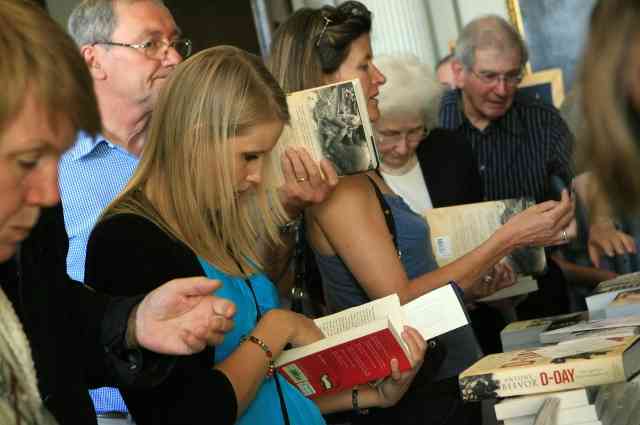
Image: br3akthru / FreeDigitalPhotos.net
Ways you can improve your reading time include:1. Don’t finish every book (or article)
Be prepared to abandon a book or an article. Just because you brought the book (or were given a book) doesn’t mean you have to finish reading it. Cut your losses and move onto something more rewarding.2. Read at the right time
Read your toughest or most important materials when you are alert. That is, your optimal reading time. For example, if you are a morning person, then read the tough material in the morning, and leave the light reading for later in the day.3. Subscribe to a Book Summary service
Perhaps the best reading decision I every made was to subscribe to a book summary service. Book summary services will improve your reading time and quickly expose you to new ideas and concepts. For more information refer to article Save Time Reading - Book Summaries4. Buy quality
Be prepared to spend extra money to obtain better quality reading material. The cheap book might save you money, but how much time could you have saved from obtaining a better quality book. Likewise, you can spend hours researching a topic yourself, or alternatively you can save time by purchasing a good book or research paper. Currently I am leading an R&D (Research and Development) project and to reduce research (and reading) time we have been purchasing numerous quality books from overseas.5. Speed Reading
Learn how to speed read. While the average reader can read around 250 words per minute, speed readers can apparently do at least four times this rate (and without compromising on comprehension).6. Reduce interruptions
You can not read effectively if you are being constantly interrupted.7. Choose your material carefully.
Remember every time you choose to read a book, you have in effect decided not to read another book. That is, there is a trade off or opportunity cost with everything you read. For example, you could read a large classic book like ‘War and Peace’ (and perhaps you should) or you could alternatively read five shorter books.8. Remember what you read
If you are reading to learn then it is important to adopt techniques to remember what you have read. Common ways include:- reinforcing what you have read by telling someone about it;
- taking notes or writing a summary;
- using a pen to highlight key points for future reference,
- drawing a mind map of what you have read.
- putting together an plan to use what you have learnt.
How do you make the most of your reading time? Do you have any techniques to save time when reading?
Related Articles
A little time, well spent.
← Back to the journal